When Dad or Mom Is Different: Helping Children Understand a Parent’s PTSD
“Why is Mommy/Daddy mad all the time?”
When one parent is living with combat PTSD, the other parent usually becomes the translator — explaining, smoothing, reassuring, holding it all together. It’s a heavy and mostly invisible job.
Kids notice everything and assume it’s their fault
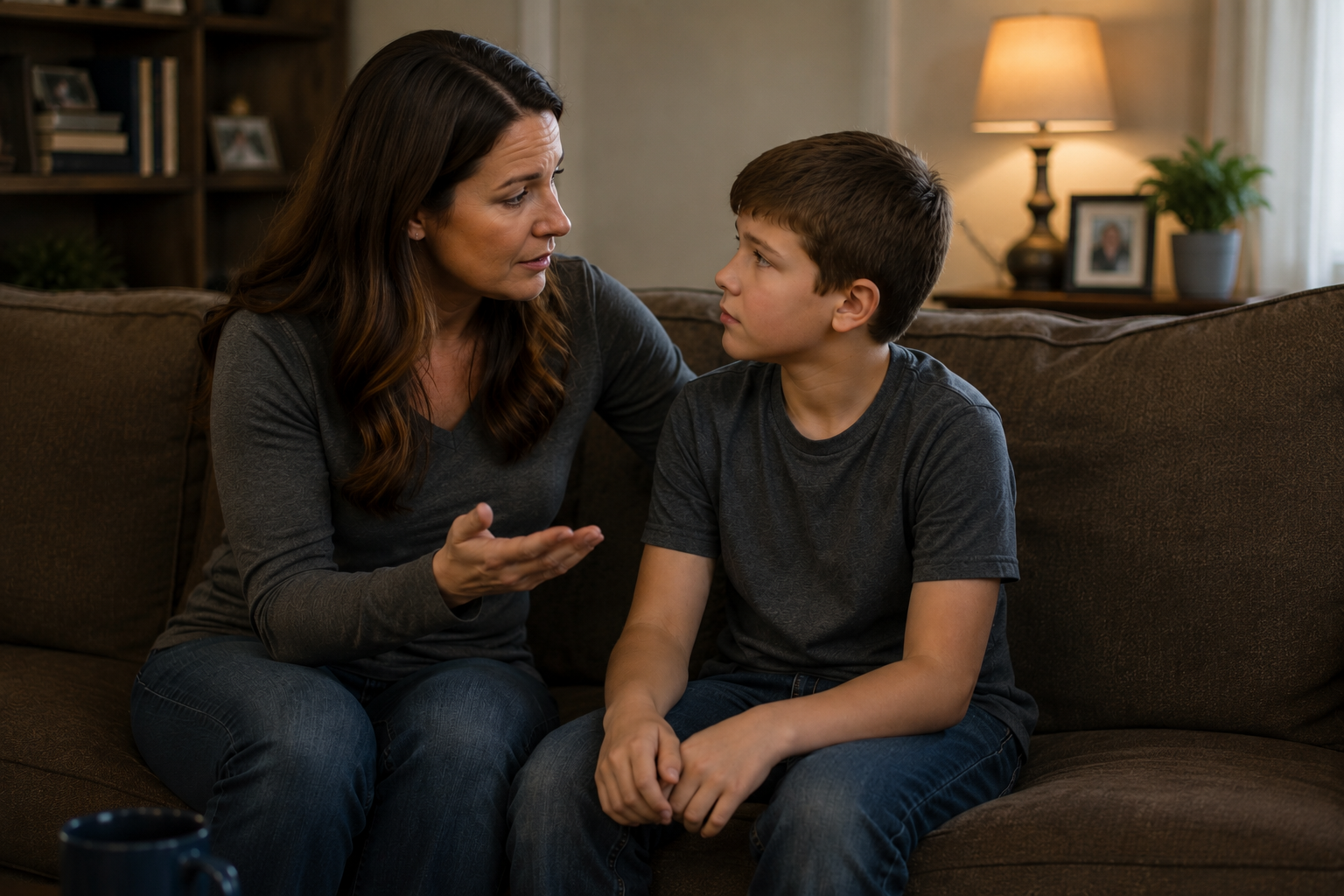
Children are tiny pattern-detectors. They register the tension, the irritability, the withdrawal, the rough nights. What they can’t do yet is correctly explain why.
So they guess. And developmentally, young kids put themselves at the center of every story — which means they often land on “it’s because of me.” Left alone with that, it can grow into anxiety, people-pleasing, walking on eggshells, or acting out just to provoke a reaction they can predict.
The fix isn’t to hide the PTSD. It’s to give them a true, simple story that takes the blame off their shoulders.
The three things every kid needs to hear
No matter their age, children of a parent with PTSD need to know:
It’s not your fault. Say it plainly and often. Their brain will keep trying to make it their fault; your job is to keep correcting that.
It’s not your job to fix it. Kids will try to become caretakers or peacekeepers. Gently take them off that hook.
You are safe, and you are loved. By the struggling parent and by you. Predictability is how kids actually feel this — not just hearing the words.
A simple, non-scary way to explain PTSD
You don’t need clinical language. Try something like: “Daddy’s job was to keep people safe in really dangerous places. His brain got very good at watching for danger. Now that he’s home and safe, his brain still acts sometimes like there’s danger when there isn’t. That’s why he gets jumpy or grumpy or needs quiet. It’s called PTSD. It’s not because of you, and it’s not forever.”
Adjust up or down for age. Teens can handle more — including that their parent is getting help, and that healing is real even when it’s uneven.
What helps at home
Keep routines predictable. Structure tells a kid’s nervous system “you’re safe” and there is containment.
Name feelings out loud. “You seemed scared when Dad raised his voice. How does it feel for you when he gets upset?” Naming a feeling shrinks it. Help them identify internal signals with the emotion.
Don’t make a child the messenger or the caretaker. They shouldn’t be managing the household’s emotions or relaying messages between parents. That’s called parentification, and it costs them later.
Let them have their own feelings. They’re allowed to be angry, sad, or confused about the parent they have right now. Make room for it.
Protect the struggling parent’s dignity. The story is “Dad’s brain is healing,” not “Dad’s the problem.” Kids need to keep loving both of you.
Talk about the military, about PTSD. See previous blog post here as well as resources like “Why Is Dad So Mad?”
Not sure how to start these conversations? A free consult can help you find the words that fit your family.
When the kids — or the two of you — need more
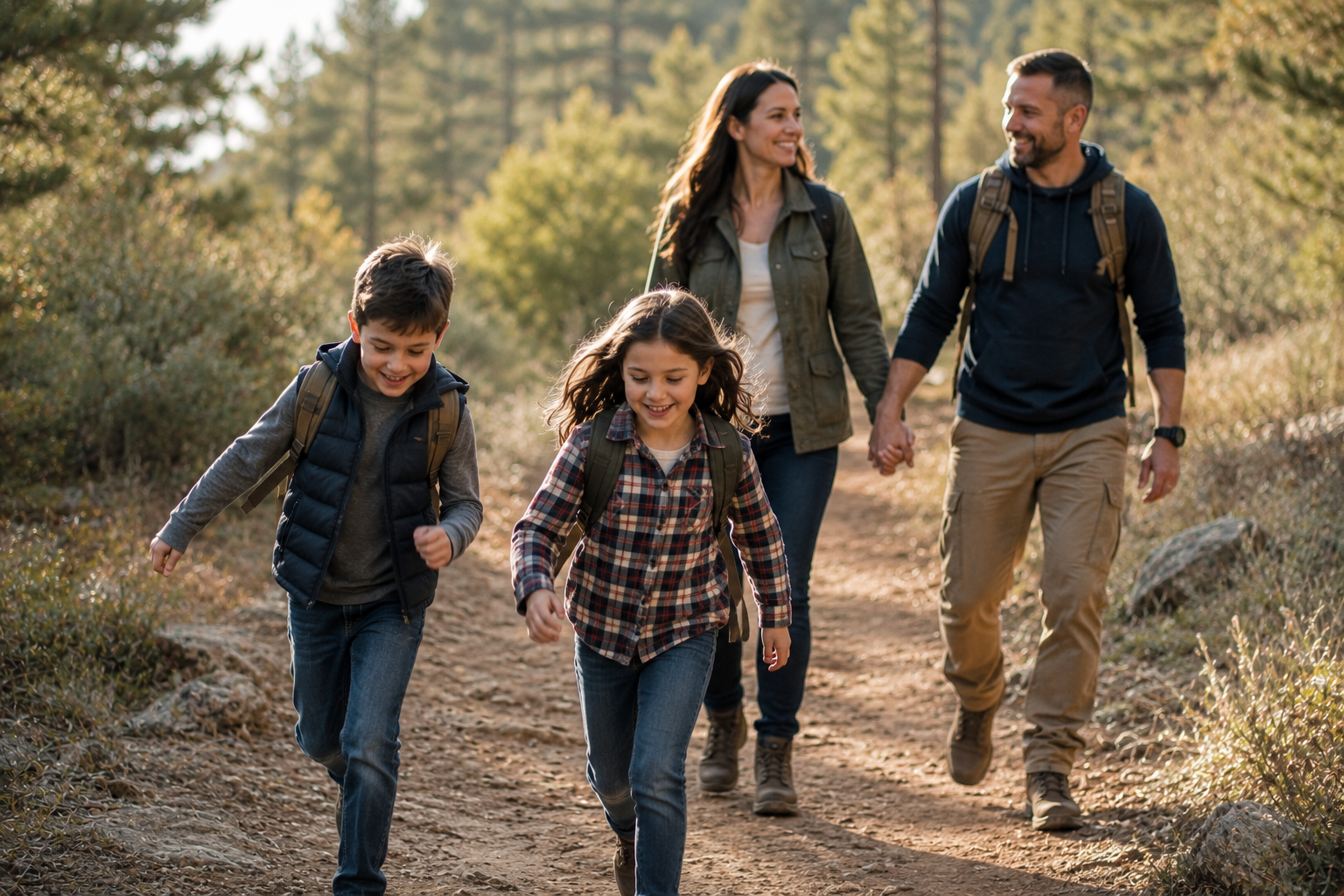
If your child is anxious, withdrawn, slipping at school, or stuck blaming themselves no matter what you say, it may be time for them to have their own support. And if you and your partner are both running on empty, the pattern in the home usually needs more than one person can fix alone. That’s where couples therapy comes in — to change the cycle the two of you are caught in, so the kids stop absorbing it. The at-home parent deserves support too; individual therapy for spouses is there for the toll this takes on you.
A word for the parent doing the explaining
You did not cause this, and you can’t single-handedly fix it. You can give your kids a safe, honest story and a steady home — and that is enormous. But you can’t be the whole family’s therapist any more than they can. Let some of this weight be shared.
Where to start
When one parent has PTSD, the whole family feels it — and the whole family can heal. For age-appropriate guidance, the VA’s overview of how PTSD affects families and Sesame Street for Military Families are good resources to keep on hand.
Reach out for a free consult and we’ll figure out what your family needs. Schedule a free consult.
This post is educational and isn’t a substitute for therapy or a diagnosis. If you’re in crisis or thinking about harming yourself, call or text 988 and press 1 to reach the Veterans Crisis Line.
Dr. Bartel specializes in combat trauma and PTSD treatment for military service members, veterans, and their spouses and families. She provides in-person therapy in Colorado Springs and telehealth services across 42+ states.