
"I've done harder things. Why can't I fix this?"
You solve problems for a living, so why won't this one move? A trauma psychologist explains why relational problems don't yield to sheer effort, and what actually works to fix your marriage.
Why the skills that made you great at work are backfiring at home
The skills that kept you alive downrange or on shift might be exactly what’s causing conflict at home. Learn why threat detection and emotional control backfire in a marriage, and how to re-task them without losing your edge.
When the Fireworks Start: Getting Through the Fourth of July with Combat PTSD
For most people, the Fourth of July is a celebration. For combat veterans, it's a perfect storm of PTSD triggers. Learn how to create a survival game plan for both the veteran and the family.
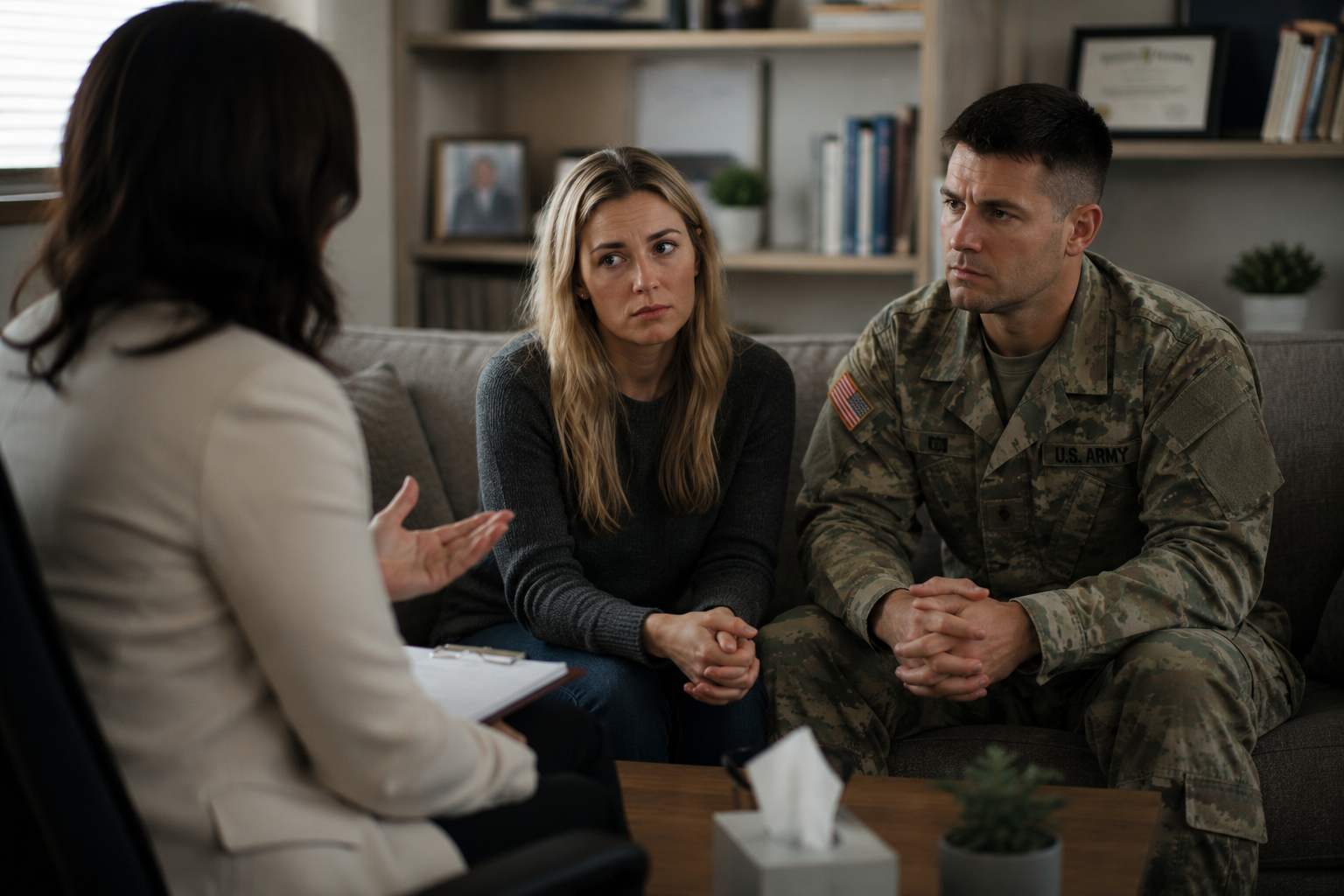
When Individual Therapy Isn’t Enough: Adding Couples Work
You did the individual work and still hit a wall at home? Discover why combat trauma lives in the relationship system and why adding couples therapy is the next phase of the mission, not a step backward.
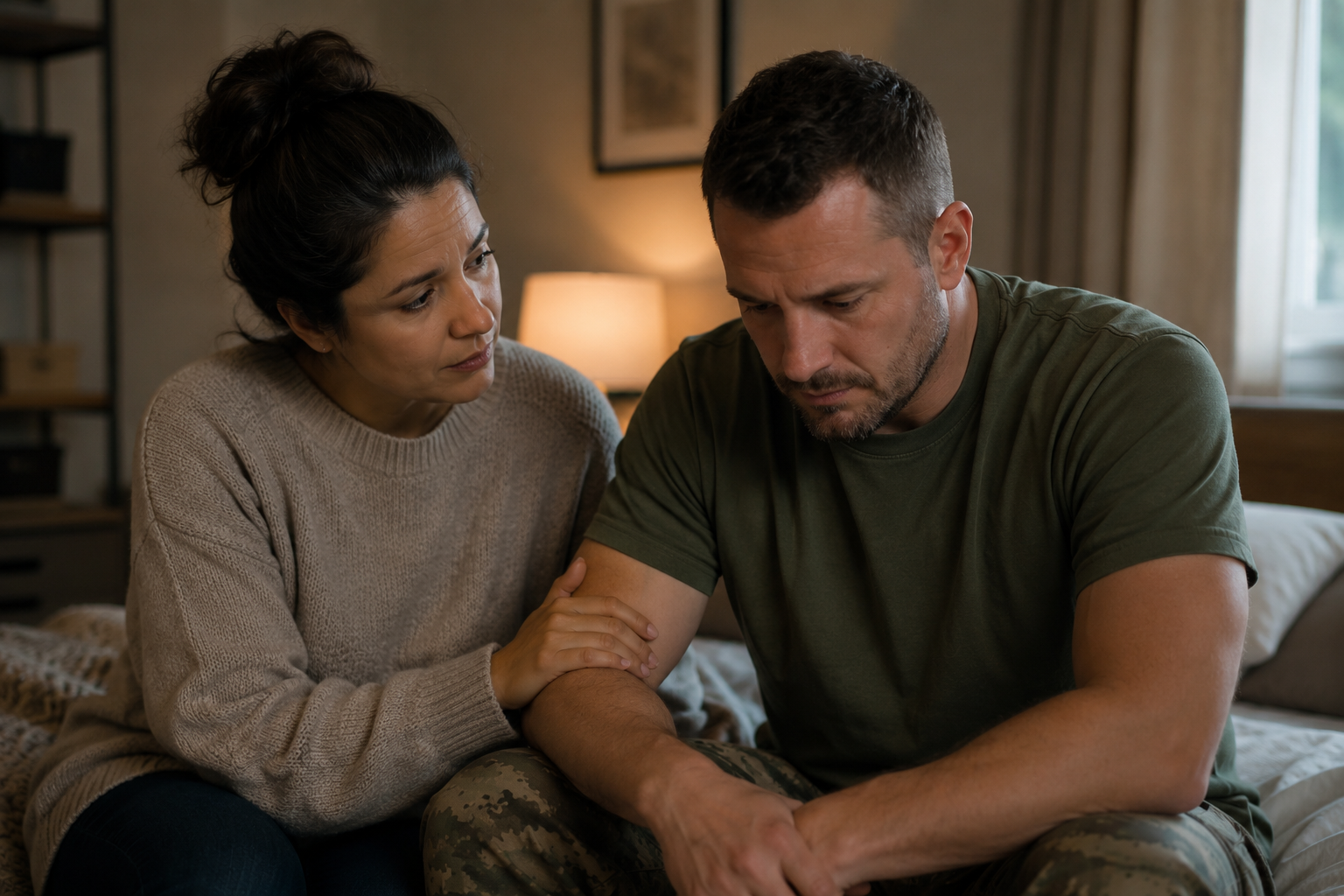
Combat PTSD and Intimacy: Addressing What No One Talks About
Combat PTSD can quietly drain intimacy and connection in a marriage. Learn why a nervous system built for survival struggles with closeness, why it isn't your fault, and how veteran couples can find their way back to each other.
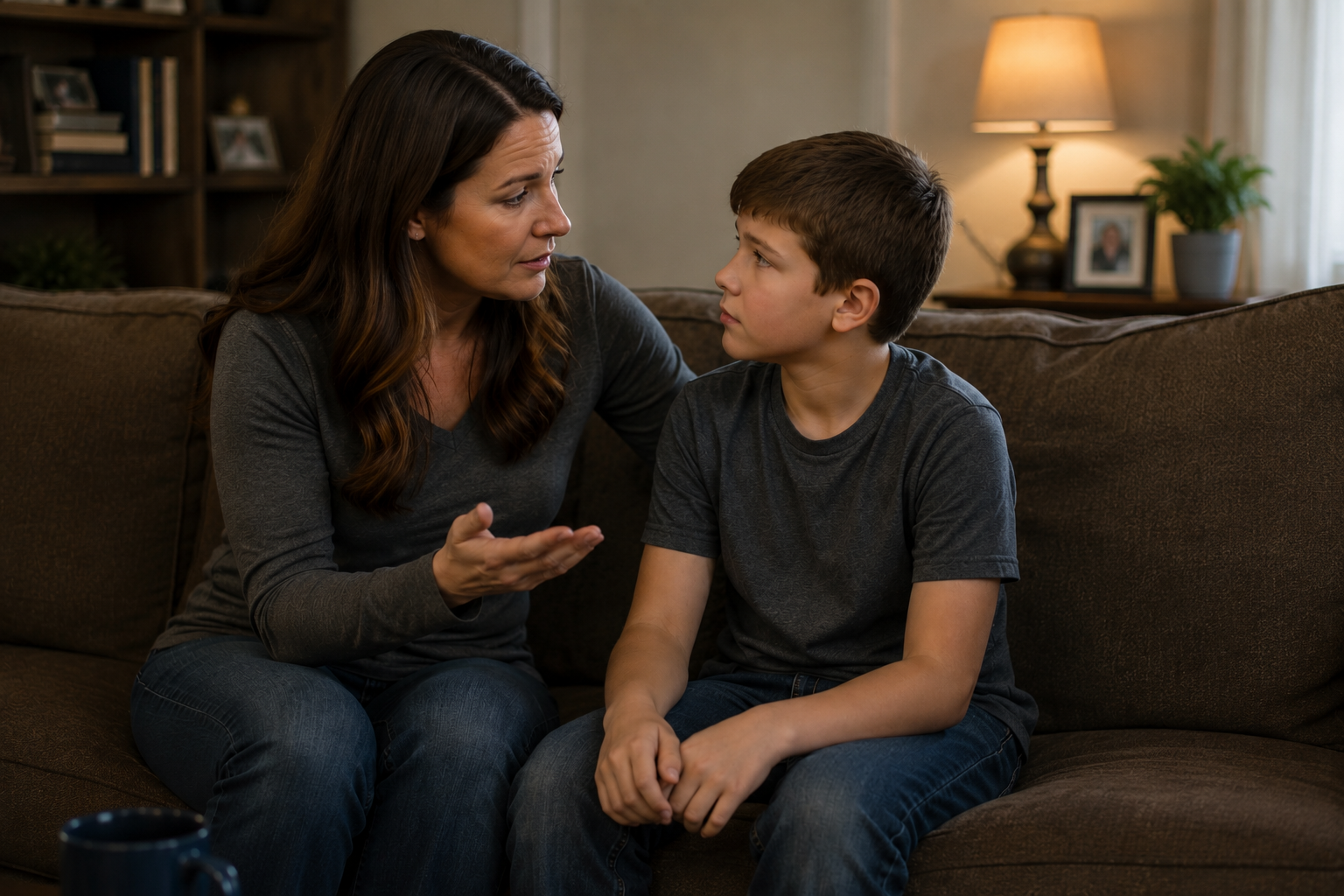
When Dad or Mom Is Different: Helping Children Understand a Parent’s PTSD
When a parent has PTSD, kids fill in the blanks, often blaming themselves. Age-by-age ways to explain it so they feel safe and know it’s not their fault.
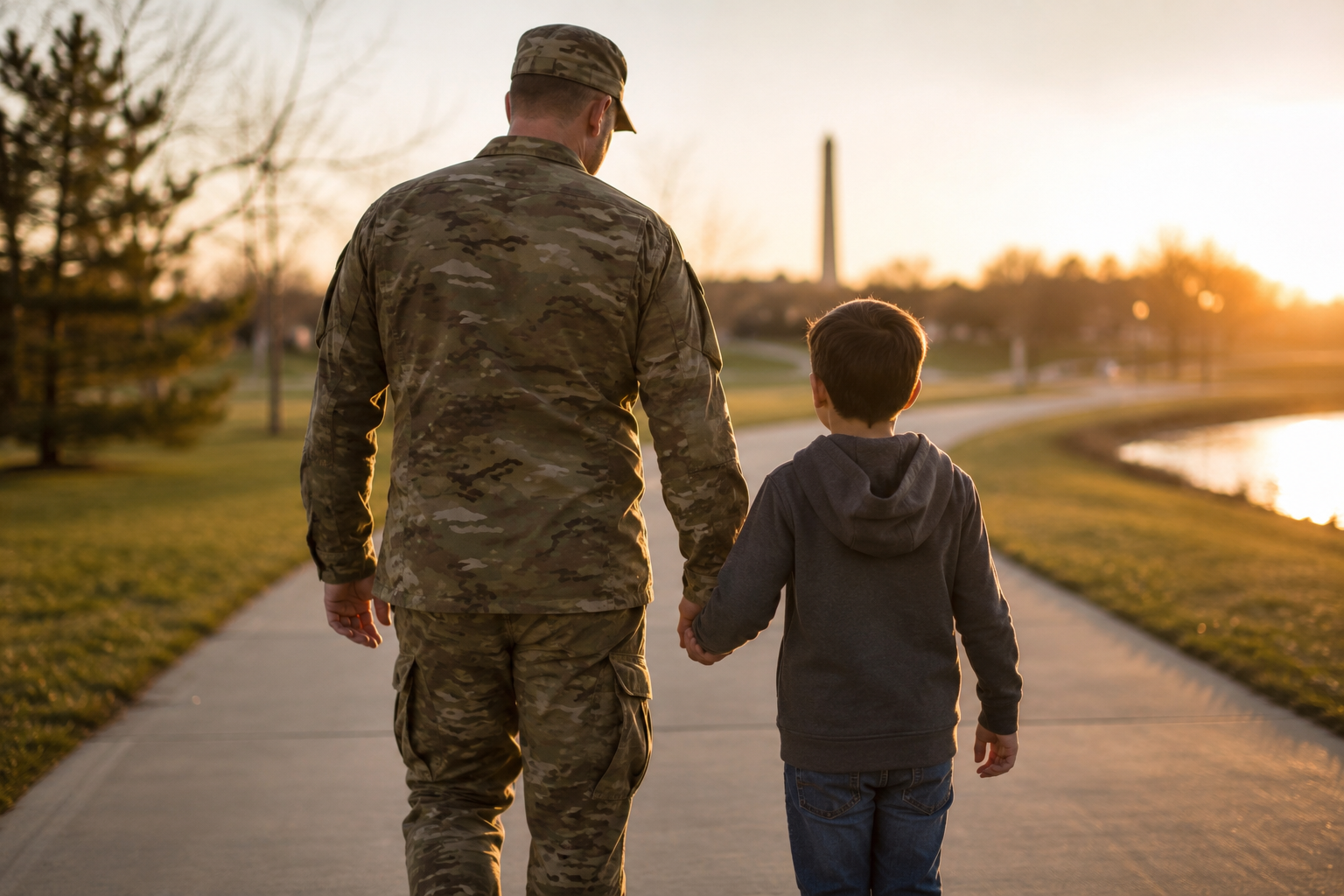
Should Your Kids Know About Your Combat Experiences?
How much should your kids know about your combat experiences? A veteran trauma therapist shares a framework on what to share, what to hold back, and how to handle the conversation at any age.

Loving Someone with Combat PTSD: A Survival Guide for Military Spouses
Loving a veteran with combat PTSD is exhausting, and it’s easy to lose yourself in the process. Learn how secondary trauma affects military spouses and how to reclaim your own life, sanity, and boundaries.
Moral Injury vs. PTSD: Understanding the Difference (and Why It Changes How You Heal)
Moral injury and PTSD aren’t the same wound. From the outside they look identical, but they require entirely different treatments. Learn the difference, why it matters for healing, and how to finally set down the weight.
Should I Stay or Should I Go? When Military Marriages Reach Breaking Point
Military marriage can feel like a battle no one prepared you for. Between deployments, emotional distance, and the lingering effects of trauma, many couples reach a painful crossroads — stay or go? Learn how trauma-informed therapy helps veterans and partners find clarity, rebuild trust, or part with compassion and peace.
Holidays and Combat Trauma: Surviving the “Most Wonderful Time of Year”
The holidays can feel anything but joyful when you’re living with combat trauma. Crowds, noise, and expectations can trigger old stress or deepen numbness. This season, you don’t have to fake happiness or go through the motions. Healing begins when you give yourself permission to move through the holidays at your own pace — grounded, honest, and supported.
Emotional Numbing After War: Why You Can’t Feel Like You Used To
After months or years in survival mode, it’s common to feel like life’s gone quiet. You might laugh, work, and show up — but still feel distant inside. This emotional numbing isn’t weakness; it’s your body’s way of protecting you. Healing means teaching your system that it’s finally safe to feel again — not all at once, but one grounded breath, one small connection at a time.
The Invisible Wounds: How Combat Trauma Affects Your Relationships
When a loved one returns from combat changed, invisible wounds can strain relationships. This blog explores how trauma affects veterans and families—and how specialized therapy can help couples rebuild trust, intimacy, and connection.
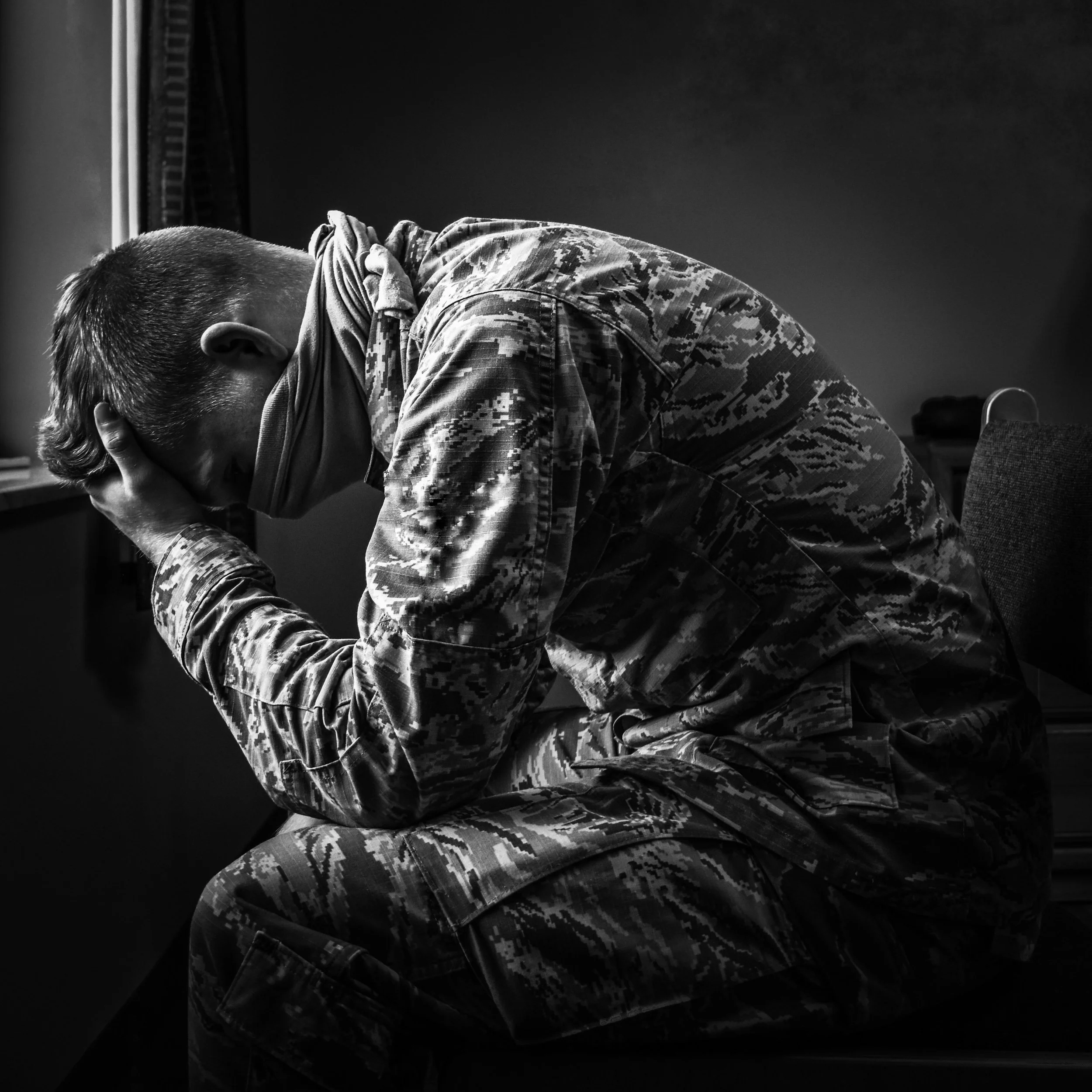
Combat PTSD vs. Civilian PTSD: Why Your Edge Misfires at Home
Your nervous system didn't break; it calibrated perfectly to keep you alive in a war zone. The problem is that the civilian world doesn't operate by rules of engagement. Here is why combat PTSD demands a completely different approach to healing.