

Real therapy built for the realities you've lived and the experiences that don't fit civilian advice.
Meet psychologist, Dr. Alisa Bartel. Based in Colorado Springs and serving all PSYPACT states.
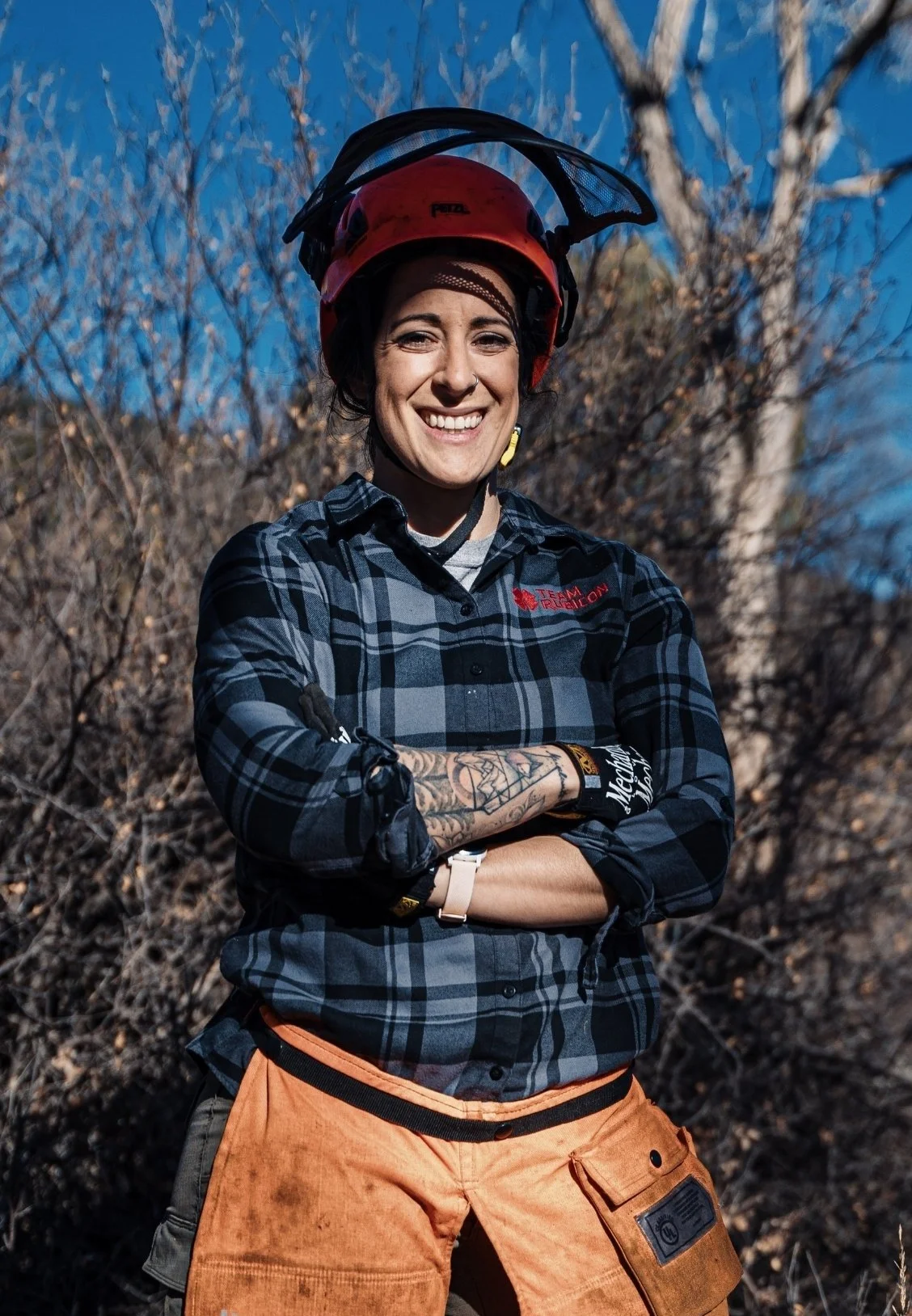
You may be different now, but you are not damaged.
Seeking help does not mean you’re weak, broken, or failing. As an elite professional, you pursued training to level up. Specialized therapy is the next iteration. You learned how to survive, perform, lead, protect, and carry responsibility in high-stress situations that demanded those skills. The challenge is that what works in the field doesn't always work in a marriage, a family, or a life after the mission is over.
This still doesn't mean something is wrong with you. You’re being asked to do something nobody ever trained you to do. You may feel overwhelmed and out of place now, but you have been before too. The good news? You are an excellent learner and adapter. Now, it’s time to apply those skills to therapy.
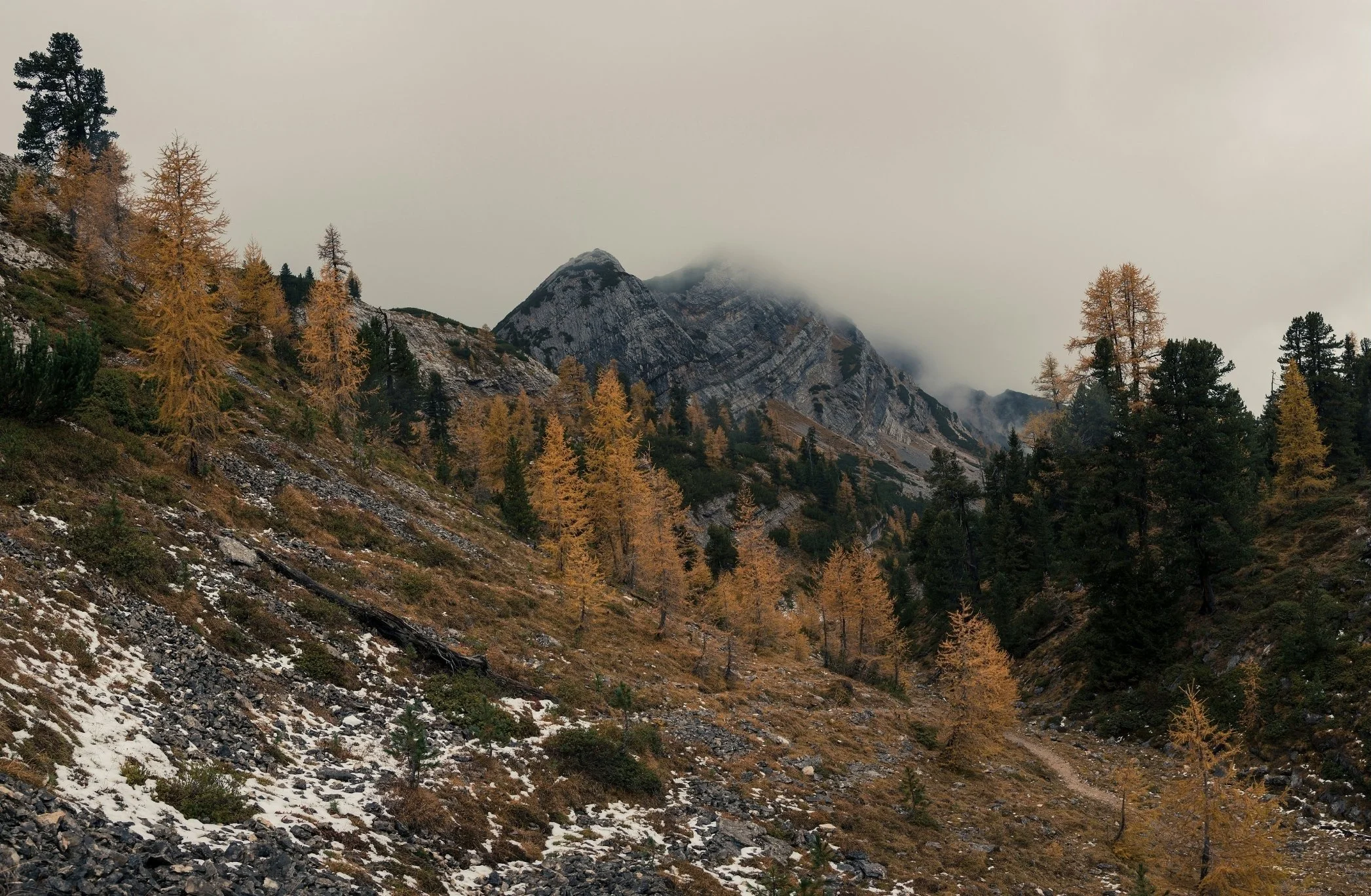
For years, your job required you to push emotions aside. Your relationships require something different.
How I work
Many people assume therapy is going to ask them to become softer, less driven, less disciplined, or less capable.
But that's not how I see it.

The qualities that helped you succeed professionally can actually help you at home. Leadership, loyalty, resilience, situational awareness, self-discipline, and the ability to perform under pressure all serve a purpose, even in your relationships. The real challenge is learning how to use those same strengths in environments that also require vulnerability.
I’m not here to tell you who to become or to leave your instincts at the door. There is room in the home for a protector like you.
In the beginning, the work is like a puzzle, but because we don’t have the full picture yet, we have to identify what’s happening, connect the dots, and specify what is—and isn't—working anymore. This helps me learn which skills may be most useful, and when.
This journey looks different for everyone. For some people, it's finally processing experiences they've carried for years. For others, it's repairing a strained marriage or relationship with a child, navigating life after service, managing numbness or anger that feels out of proportion, or figuring out why they feel so disconnected despite having everything they thought they wanted.

Depending on what you need, I combine evidence-based trauma treatment with practical, real-world strategies that help you create meaningful change both inside and outside of therapy. I help you understand the longstanding drift that occurs over years of trauma-exposed careers.
You won’t lose your edge or the skillsets you’ve worked so hard to cultivate.
What actually happens is an ability to become more flexible, more connected, and more effective in the areas of life that matter most.
MY STORY
I have studied it, but I also live it.
Trauma, service, and military culture have shaped both my professional and personal life. My career has been built around understanding PTSD, resilience, relationships, and the long-term impact of high-stress experiences. But I've never been interested in studying trauma from a distance.
Throughout my life, I've intentionally sought opportunities to step into the realities I hoped to understand—from disaster response deployments and anti-human trafficking work to witnessing the aftermath of loss firsthand. Those experiences reinforced something I've always believed: there's a world of difference between reading about someone's story and standing beside them in it.
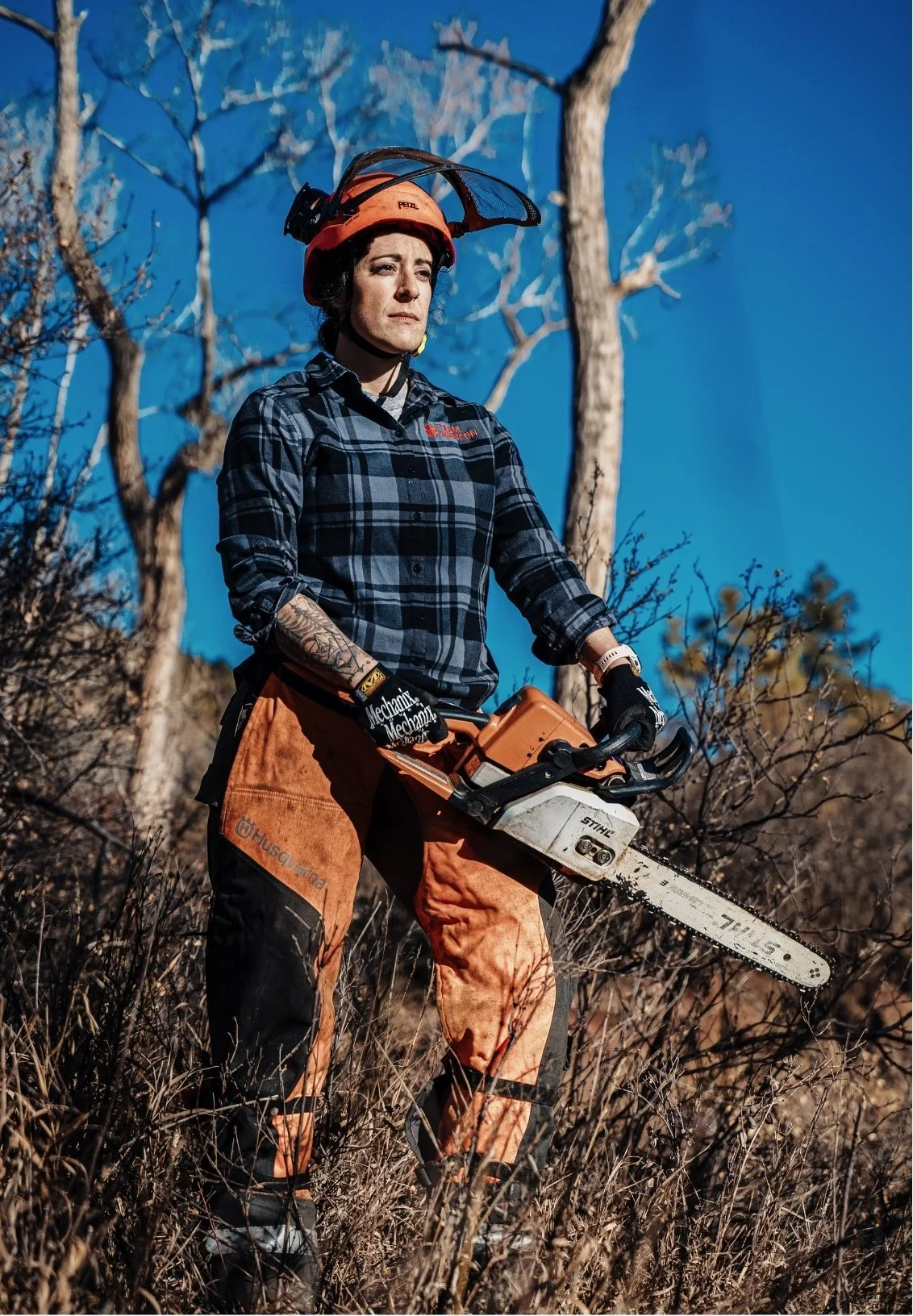
I’ve climbed Mt. Rainier with Special Forces, biked a 200 mile race, shuffled the Pikes Peak Marathon, and run from Ouray to Telluride, because the only way to know your limits is to test them.
Military life has shaped me personally, too.
Long before I married a combat veteran, I knew what it felt like to wait for a late-night phone call from someone deployed overseas and to feel disconnected from the everyday concerns of the people around me. Today, those experiences—along with my marriage—continue to deepen my understanding of the sacrifices Special Operations families make and the invisible weight they often carry.
Those experiences don't make me an operator or a military spouse. They simply remind me to approach every person who sits across from me with curiosity, humility, and deep respect for the life they've lived.
EDUCATION & BACKGROUND
-
Doctor of Philosophy (PhD), Clinical Psychology, Trauma Emphasis — University of Colorado Colorado Springs
Master of Arts (MA), Clinical Psychology, Trauma Emphasis — University of Colorado Colorado Springs
Master of Public Administration (MPA) — University of Dayton
Bachelor of Arts (BA), Psychology — University of Dayton
-
Licensed Psychologist, State of Colorado (PSY.0005890)
Authority to Practice Interjurisdictional Telepsychology (APIT) through PSYPACT
Telehealth services available throughout participating PSYPACT states
-
Accelerated Resolution Therapy (ART)
Eye Movement Desensitization and Reprocessing (EMDR)
Prolonged Exposure Therapy (PE)
Cognitive Processing Therapy (CPT)
Written Exposure Therapy (WET)
Dialectical Behavior Therapy (DBT)
Acceptance and Commitment Therapy (ACT)
-
Service Awards from the International Society for Traumatic Stress Studies, American Psychological Society Clinical Psychology Division, Pikes Peak Psychological Society, University of Dayton, and U.S. President’s Volunteer Service Award for Disaster Services (100+ hours)
Disaster Response Deployments throughout the United States and Puerto Rico
Supporter of military and veteran-serving organizations, including SOF Network, Special Forces Foundation, Operation Healing Forces, SEAL Family Foundation, and others
Published PTSD Research Contributor, Cincinnati and San Francisco VA Medical Centers
Former Leadership Volunteer, Team Rubicon and Team Red, White & Blue

You don't have to change everything about yourself to build a better life at home.
Sessions available in-person in Colorado Springs and online across all PSYPACT eligible states.