Holidays and Combat Trauma: Surviving the “Most Wonderful Time of Year”
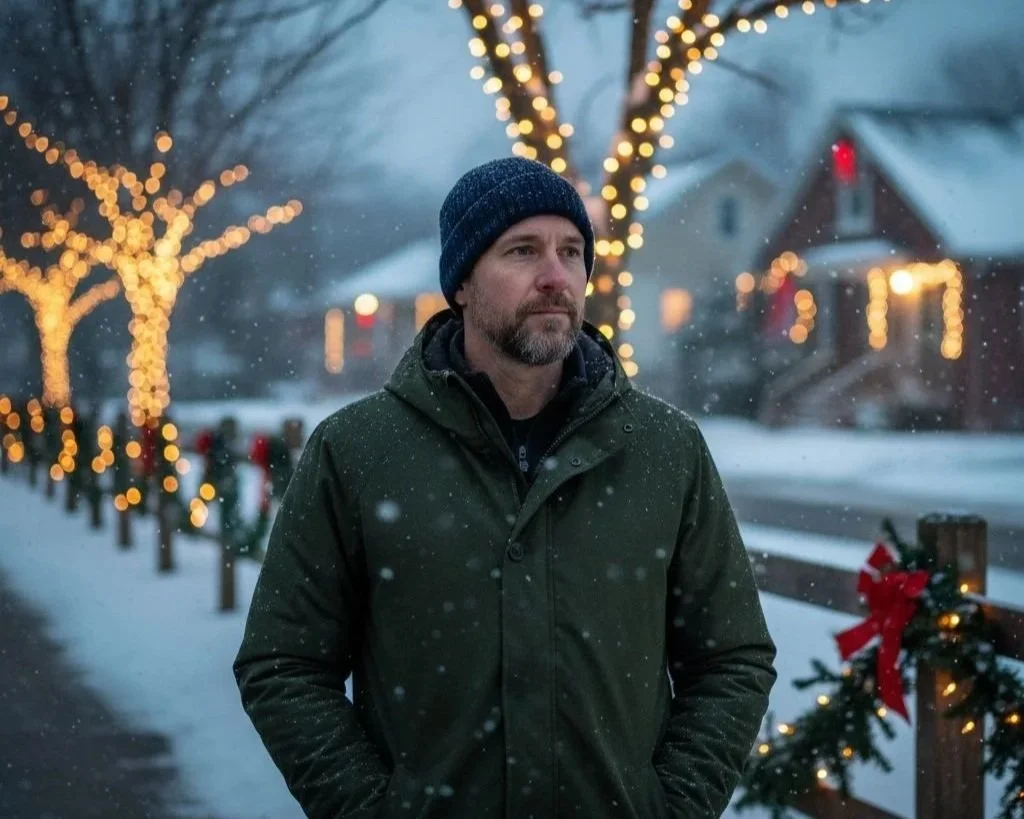
The holidays are supposed to be the “most wonderful time of the year.” But for many veterans, that phrase feels like a cruel joke.
You might look around and see people smiling, families gathering, lights twinkling — and still feel completely disconnected. You might dread the noise, the crowds, or even the quiet moments that leave too much space for memories.
You might catch yourself thinking:
What’s wrong with me?
Why can’t I just enjoy it like everyone else?
If that sounds familiar, you’re not alone.
For many veterans living with combat trauma or PTSD, the holiday season can bring up feelings of isolation, guilt, anxiety, and emotional numbing — all wrapped up in an expectation to be merry.
When the Holidays Don’t Feel Safe
It’s hard to relax and celebrate when your body and brain still associate this time of year with stress, loss, or survival.
For some veterans, the sound of fireworks or loud gatherings can trigger flashbacks or hypervigilance. For others, the holidays bring up grief — memories of comrades who didn’t make it home, or the families they missed year after year.
Even when you want to feel joy or connection, your nervous system may have other plans. You might feel on edge for no clear reason, withdraw from loved ones, or find yourself snapping at small things that wouldn’t normally bother you.
That doesn’t mean you’re ungrateful or “ruining” the season. It means your body is remembering, even when your mind wants to move on.
The Hidden Weight of “Shoulds”
One of the hardest parts about the holidays after trauma is the pressure to perform happiness.
You might hear that you should be grateful, should want to celebrate, should show up with a smile. But forcing joy when your system is still wired for protection can deepen the sense of disconnection.
You might notice yourself going through the motions — decorating, attending gatherings, exchanging gifts — but feeling detached from all of it. The laughter feels distant. The joy feels forced. You might even feel guilty for not feeling more.
If that’s where you find yourself, it’s important to remember: numbness is a trauma response, not a moral failure. You can’t shame yourself into feeling better. You can only begin to listen to what your system is trying to tell you.
Understanding Combat Trauma During the Holidays
For veterans, the holidays can act like a mirror — reflecting back everything that’s changed since war.
You might feel the contrast between who you were “before” and who you are now. You might notice the tension between wanting connection and fearing it. You might struggle to bridge the gap between your internal world — one shaped by loss, vigilance, and survival — and a world that feels naïvely cheerful.
That mismatch can feel unbearable.
Even familiar traditions — a big family meal, certain smells, the sound of laughter — can stir up unexpected emotions or memories. Your body might tense without warning. You might feel restless or need to escape.
This doesn’t mean you can’t ever enjoy the holidays again. It means your nervous system needs time and space to feel safe again. Healing from combat trauma doesn’t mean erasing the past — it means learning to move through the present without being consumed by it.
How to Navigate the Season With Care
Here’s the truth: you don’t owe anyone a perfect holiday performance. Your peace matters more than appearances.
There are ways to move through the season with less overwhelm — not by pretending everything’s fine, but by creating safety and choice where you can.
1. Permit yourself to feel what you feel.
Whether it’s sadness, irritation, grief, or numbness — it’s all valid. You don’t have to fake joy to belong. Allowing yourself to be honest about what’s coming up is the first step toward easing it.
2. Choose what matters — and what doesn’t.
You don’t have to say yes to every gathering or tradition. Maybe you attend one small event instead of five. Maybe you skip the crowded store and shop online. Giving yourself permission to opt out isn’t selfish — it’s self-preservation.
3. Build a plan for triggers.
If certain noises, places, or interactions are difficult, plan ahead. Bring grounding tools (like a small object you can hold, or earbuds for calming music). Know where you can step away to breathe if things feel overwhelming.
4. Stay connected, even in small ways.
Isolation can feed old wounds. Reach out to another veteran, a friend who understands, or your therapist. Try to talk with your spouse and share these vulnerabilities. Connection doesn’t always mean deep conversation — sometimes it’s enough to know someone else gets it.
5. Remember your body.
Combat trauma lives in the body as much as in the mind. Notice your breath, stretch, walk outside, and feel the air on your face. These physical moments of presence help remind your system that you’re here — now — not back there.
How Trauma Therapy and EMDR Can Help
If the holidays consistently leave you feeling disconnected, triggered, or emotionally shut down, that’s often a sign your system is still holding onto unresolved trauma.
Therapies like EMDR (Eye Movement Desensitization and Reprocessing) can help your brain and body finally process those old survival memories. Through guided techniques, EMDR helps separate then from now — so the sound of laughter, a certain smell, or a bright light doesn’t automatically pull you back into the past.
Over time, you can begin to experience moments of genuine calm and connection again — not forced happiness, but quiet, grounded presence.
You Don’t Have to “Get Over It” — You Can Move Through It
There’s a myth that healing means erasing the past or getting back to who you were before. But for most veterans, healing looks more like integration — learning how to carry the past without being defined by it.
You can still honor the people you lost. You can still acknowledge what you went through. You can still be the person who’s seen too much — and the person learning how to live again.
That kind of wholeness is possible. It doesn’t come from pretending or performing. It comes from patience, truth, and support that understands the impact of trauma on every layer of your being.
Finding Support This Holiday Season
If you find yourself dreading the holidays or feeling more disconnected than usual, it may be time to reach out for help.
At Rose on Rainier, we work with veterans and trauma survivors who are tired of surviving and ready to start living again. Using trauma-informed therapy and EMDR, we help you create safety in your body and space in your life — so you can experience moments of peace, even in a season that feels overwhelming.
You don’t have to face the “most wonderful time of the year” alone. There’s room here for your grief, your numbness, and your hope.
Reach out today to learn how trauma therapy or EMDR can help you reclaim the holidays — on your own terms, in your own time.
Dr. Bartel specializes in combat trauma and PTSD treatment for military service members, veterans, and their spouses and families. She provides in-person therapy in Colorado Springs and telehealth services across 42+ states.