When Individual Therapy Isn’t Enough: Adding Couples Work
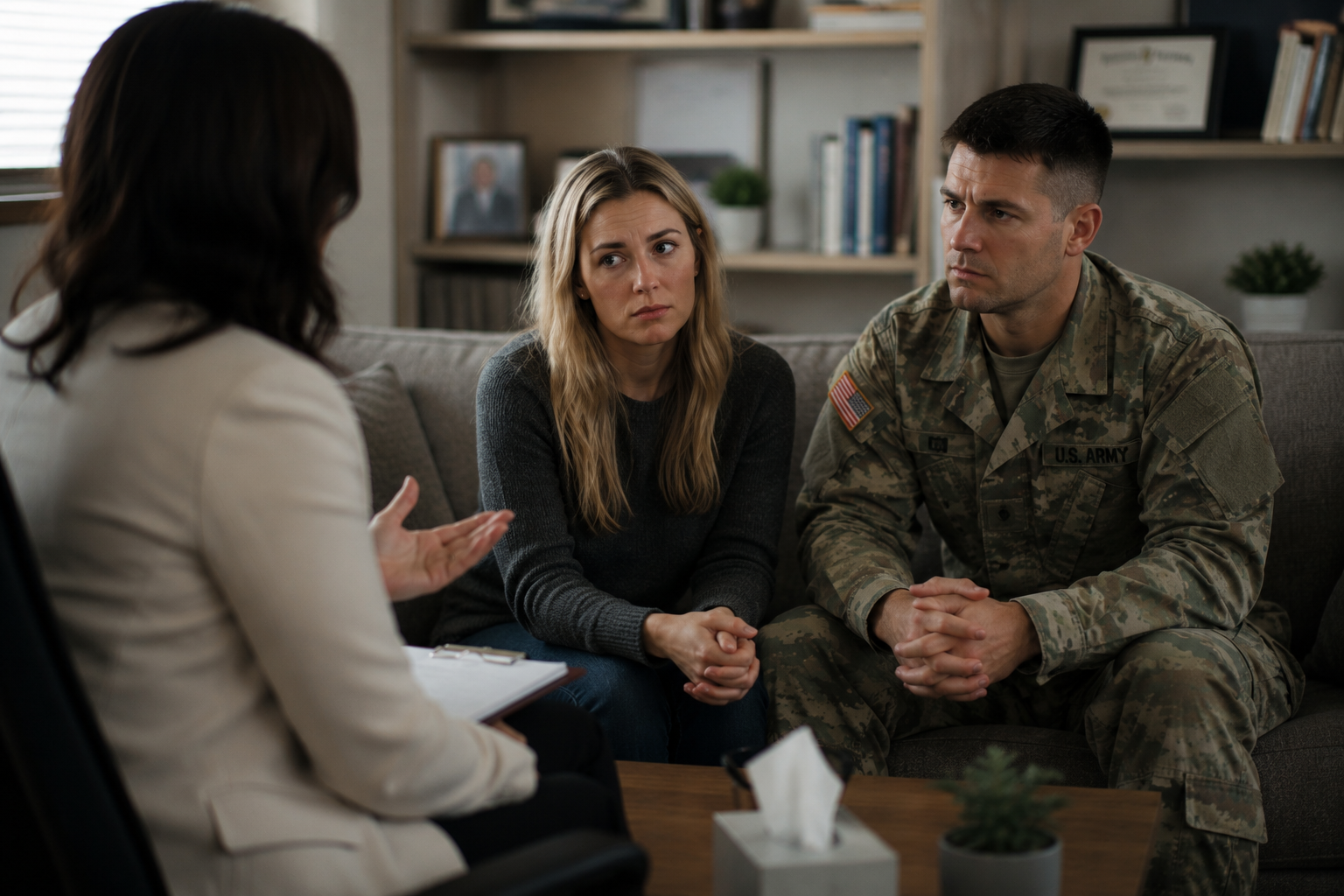
You did the work. You showed up to individual therapy, maybe pushed through EMDR or ART, and it helped — you’re sleeping better, your fuse is longer, you feel more like yourself. And then your partner says the thing that knocks the wind out of you: “You’re better with everyone but me,” or some version of “It’s still not good enough.”
If you’ve healed real ground on your own and still keep hitting the same wall at home, you’re not failing at therapy. You’ve reached the part of the work that one person can’t do alone.
Why individual healing doesn’t automatically fix the relationship
Trauma doesn’t just live inside you. It lives in the patterns between you and the people closest to you.
You can regulate your own nervous system and still have a marriage running on an old operating system — one you both built during the worst years, when survival meant withdrawing, bracing, managing, or going silent. Those patterns don’t update themselves just because one person got better. The cycle has a life of its own (PTSD reshapes how a whole household relates, not just one person).
Individual work builds a regulated self. Couples work rewires the dance learned over the years. One person becoming more regulated can also contribute to more or ongoing dysregulation in the other. This is not a failure but rather an exposure of the system that has been worn down over the years.
This isn’t a step backward
Let me reframe this, because high performers tend to hear “couples therapy” as “I failed.”
Think of it like your career. You went through individual selection and training first — you had to be squared away on your own. But the real mission was never solo. At some point you train as a team, because operating together is a different skill set than being individually excellent. Adding couples work isn’t an admission that the individual work failed. It’s the next phase.
What couples work actually does here
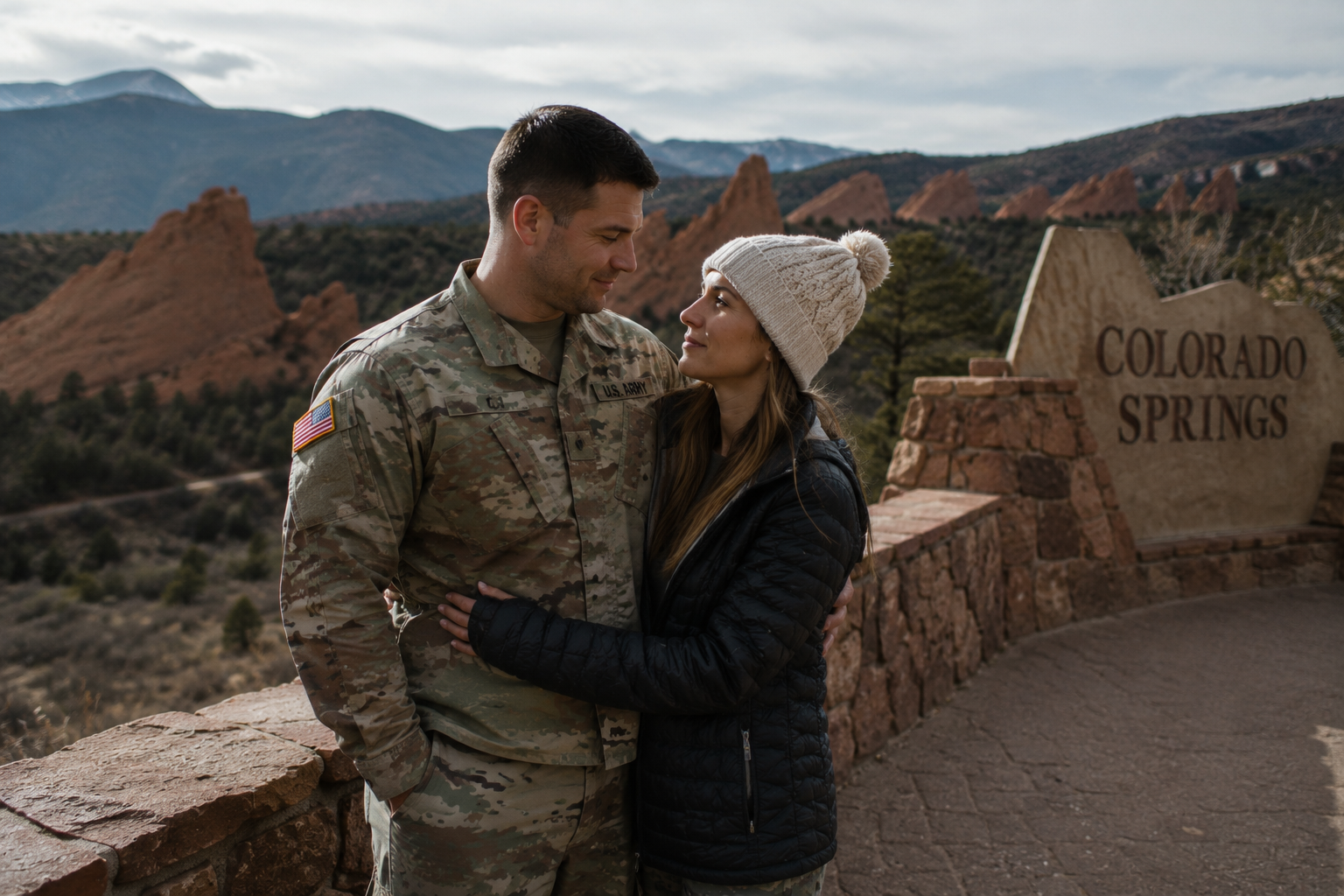
Couples therapy for military and first responder couples isn’t about assigning blame or rehashing every fight. The process is a lot like learning to operate as a team again: you map each person’s training and triggers, find where communication breaks down between tactical and emotional styles, and set shared objectives for the relationship you both actually want.
From there, it’s about executing — repairing trust, rebuilding intimacy, and breaking the pursue-withdraw loops that keep you stuck. It’s a mix of compassion and challenge: I meet you both with empathy for how hard this has been, and I push your edges, because we are accountable to one another.
Signs it’s time to add couples work
You’ve done individual work and you’re “better with everyone but me.”
You’re stuck in the same fight on repeat, no matter how much insight you each have.
One of you has become the family’s emotional manager, and resentment is building.
Trust or intimacy has eroded, and you don’t know how to rebuild it.
The kids are absorbing the tension in the house.
There is substantial unprocessed grief for the dreams that did not come true, the loss of identity and purpose over the years, and a growth so far apart you are not sure you can come back together.
Not sure whether it’s time? A free consult is a low-stakes way to talk it through and figure out the right next step.
You can keep doing both
Adding couples work doesn’t mean stopping individual therapy. Often the most effective path runs both at once — each partner continuing their own healing while you rebuild the connection between you. For couples who want to move faster than weekly sessions allow, intensives for warriors and intensives for spouses can cover a lot of ground in a focused format. Evidence-based couples approaches exist for exactly this reason — the research on PTSD and relationships supports treating the relationship, not just the individual.
Now let’s face each other instead of the world
My goal in couples work isn’t to turn you into “better spouses.” It’s to help you stay connected while honoring the demands of service and the needs of your relationship. After everything you’ve each carried, you deserve to face each other instead of the world.
If you’ve done the individual work and still feel the wall, let’s talk. Schedule a free consult.
This post is educational and isn’t a substitute for therapy or a diagnosis. If you’re in crisis or thinking about harming yourself, call or text 988 and press 1 to reach the Veterans Crisis Line.
Dr. Bartel specializes in combat trauma and PTSD treatment for military service members, veterans, and their spouses and families. She provides in-person therapy in Colorado Springs and telehealth services across 42+ states.