When the Fireworks Start: Getting Through the Fourth of July with Combat PTSD
For most people, the Fourth of July is barbecues and bottle rockets. For a lot of the veterans and families I work with, it’s a day you start bracing for in late June — when the neighborhood kids set off the early ones and your adrenaline shoots through the roof before your mind can catch up.
Why fireworks are so activating
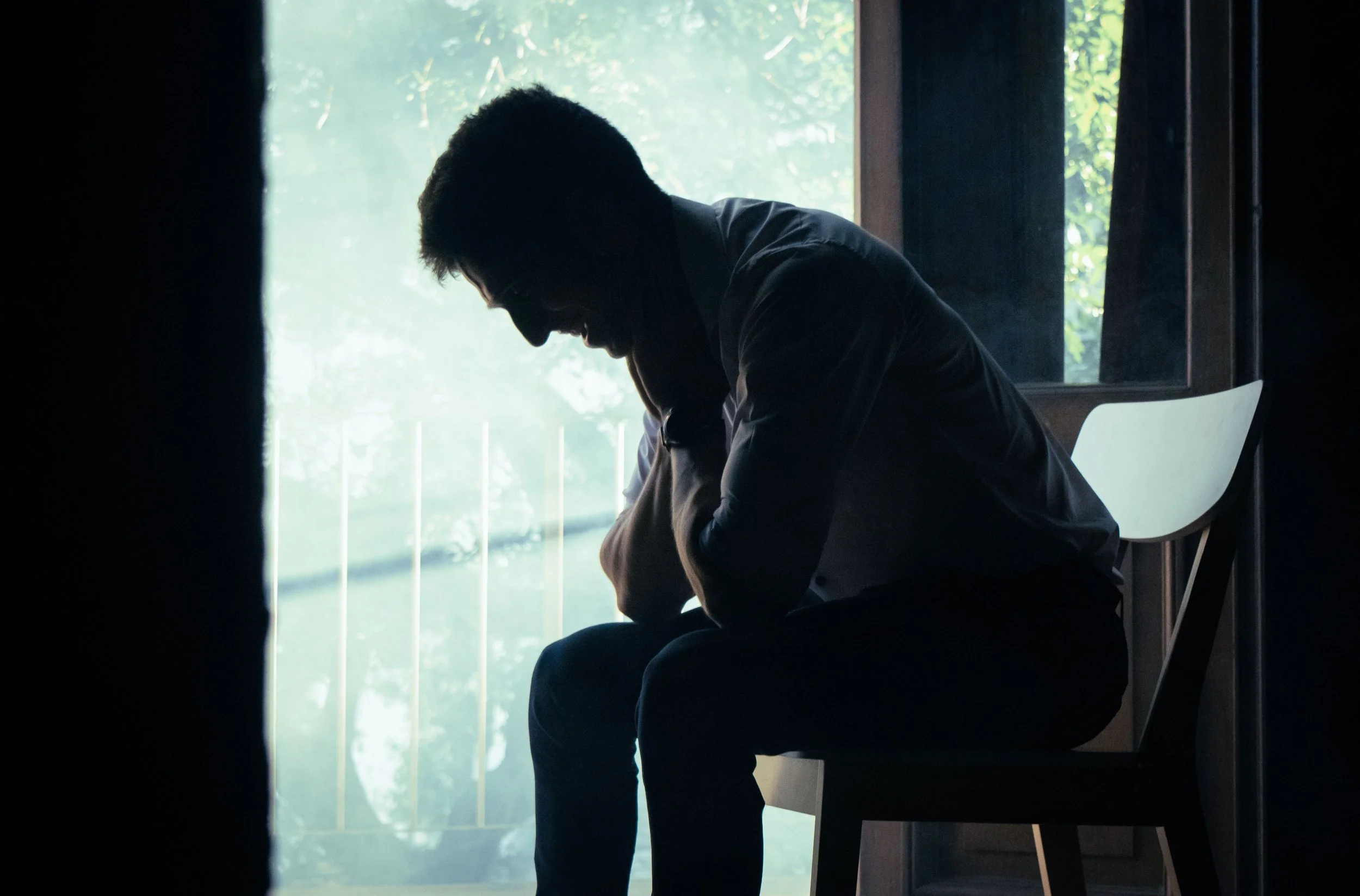
Fireworks are almost a perfect storm of combat cues: sudden explosions, bright flashes, the smell of smoke and powder, and the not-knowing of when the next one goes off. To a nervous system that learned to survive a war zone, that combination doesn’t read as “celebration” but threat. This is PTSD doing exactly what it was built to do — your alarm system fires the survival program even though you know, intellectually, that you’re standing in your own backyard.
The VA’s National Center for PTSD is blunt about it: whether expected or not, fireworks can be a trauma reminder for anyone who’s been through combat, explosions, fire, or gun violence (Trauma Reminders: Fireworks, VA National Center for PTSD). And the dread that builds in the days beforehand? Also normal. Anticipation is its own kind of trigger.
This isn’t just on the veteran — it’s a family event
If you love someone with combat PTSD, the Fourth carries its own weight for you. You watch your person go rigid, disappear into the house, snap at the kids, or white-knuckle through a cookout everyone else is enjoying — while you manage their stress, the kids’ disappointment, and your own dread all at once. (If that’s your year, every year, the therapy-for-spouses page was written for you.) So this is a plan for both of you.
A game plan for the veteran
You can’t control the whole neighborhood, but you can control more than you think.
Know the schedule. Find out when and where local displays happen so you’re not caught off guard. Unexpected booms are the worst kind.
Control your environment. Noise-canceling headphones, earplugs, a fan or white-noise machine, a movie with the volume up. Some folks head somewhere quiet for the night. Head off into the wilderness for a camping trip.
Have grounding tools ready. Box breathing (in 4, hold 4, out 4, hold 4), a quick five-senses check, something cold or sour to pull you into the present. Remind yourself: this is a memory, not a mission. You are safe, and it will pass.
Bring a battle buddy. Have one person who knows the plan and can step out with you, no explanation needed.
Go easy on the alcohol. It feels like it takes the edge off; it actually lowers your guardrails and makes the reactions worse.
Give yourself permission to opt out. You don’t owe anyone your presence at a fireworks show or a reason for dipping out early.
A game plan for the family
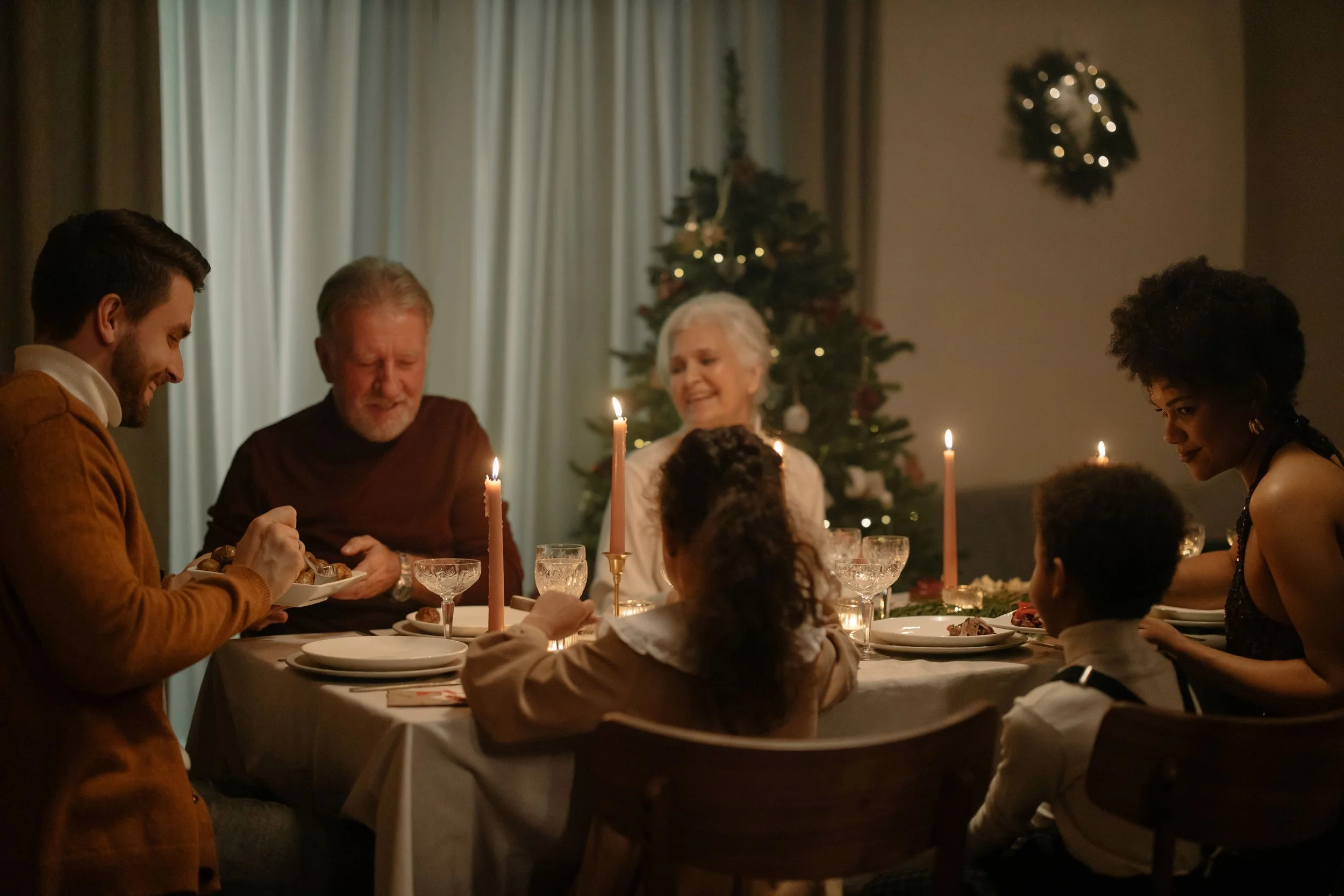
Don’t take the withdrawal personally. When your veteran goes quiet or leaves, that’s the nervous system — not a verdict on you or the day.
Plan it together, ahead of time. Ask what helps and what doesn’t. The VA’s guidance is simple here: the person living it usually knows what they need, so ask them.
Have an exit plan and a signal. Agree on a quiet space, a code word, and who’s on kid duty if one of you needs to step out.
Manage the kids’ expectations. A daytime cookout, sparklers, a drone or light show, or leaving before the big display lets the family celebrate without putting your veteran through the wringer.
In the moment, help them orient. A calm “you’re home, you’re safe, this is our street” and offering to breathe together or hold him can offer significant support.
The complicated feelings underneath
For some, the hard part isn’t only the noise. It’s the tangle of pride, grief, and anger a holiday about freedom can stir up — missing the ones who didn’t come home, or wrestling with what service cost you. If the Fourth brings up more than startle, if it brings up the moral weight, that’s worth bringing into therapy for combat veterans and SOF too.
A free consult is a no-pressure place to consider your treatment options — for the veteran, the spouse, or both of you.
Coping gets you through the day. Treatment changes the day.
Everything above will help you survive the Fourth. But surviving it on repeat, year after year, isn’t the only option.
Avoiding fireworks works in the moment — but the National Center for PTSD is honest that pure avoidance is a temporary fix that can make things worse over time. The reaction gets reinforced the longer the trigger goes untreated. The good news is that triggers like this respond to treatment. Exposure approaches like EMDR and Accelerated Resolution Therapy (ART) can take the charge out of the memories driving the reaction — and ART doesn’t require you to narrate every detail out loud. I’ve watched veterans go from dreading July to sitting through a display, because the alarm finally learned the war is over.
Where to start
You don’t have to white-knuckle another Fourth. Therapy for combat veterans and SOF at Rose on Rainier helps you process the trauma underneath the trigger, in person in Colorado Springs and online across 43+ states. And therapy for spouses is here for the families carrying this too — because you didn’t sign up for it either.
This year, get through the Fourth. Then let’s make next year easier. Schedule a free consult.
This post is educational and isn’t a substitute for therapy or a diagnosis. The days around the Fourth can be especially hard — if you’re in crisis or thinking about harming yourself, call or text 988 and press 1 to reach the Veterans Crisis Line.
Dr. Bartel specializes in combat trauma and PTSD treatment for military service members, veterans, and their spouses and families. She provides in-person therapy in Colorado Springs and telehealth services across 42+ states.